
A note on "Big Wellness"
Lotions and potions and quick fixes — oh my! We (briefly) break down women's wellness market trends and give a few tips to stay safe out there.

It’s no secret that unattainable beauty and wellness standards take center stage for women. When it comes to our bodies — both inside and out — negative self-talk, over-optimization and peer comparisons are (sadly) inevitable fixtures in many of our daily lives. Can you really blame us, though — with headlines like the below early 2000s classic etched into our collective consciousness?!
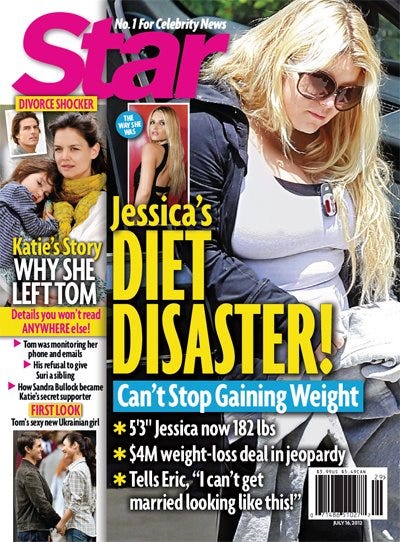
The downstream effects of these pressures are staggering, both for society (did you know that 45% of American women are on a diet… on any given day?) and our economy, with massive (and growing) wallet share spent chasing wellness.
So, what does the wellness market look like?
Wellness was a $2T market in 2024, with some stretching that figure higher, depending upon how you slice the math. As is typical — given women drive 80-90% of purchasing decisions — thousands of corporations are looking to capitalize on the female-driven, eternal quest for wellness. How? Well, by selling us their latest and greatest miracle fixes — of course! From legacy players to fast-growing startups and mom & pop shops alike — women, perhaps like never before, are being mercilessly bombarded by what can only be referred to as “Big Wellness.”
The paradox comes when we consider that even though surveys say consumers seek doctor recommendations and quote clinical efficacy as a top purchasing criteria… it can be very hard for consumers to parse out what credibility looks like when it comes time to add to cart. The Wild West of non-FDA regulated supplements and viral social media trends have made it easier than ever for anyone (even with no credentials) to sell women a dream and some snake oil — all in the name of wellness.


How does Big Wellness affect women’s health?
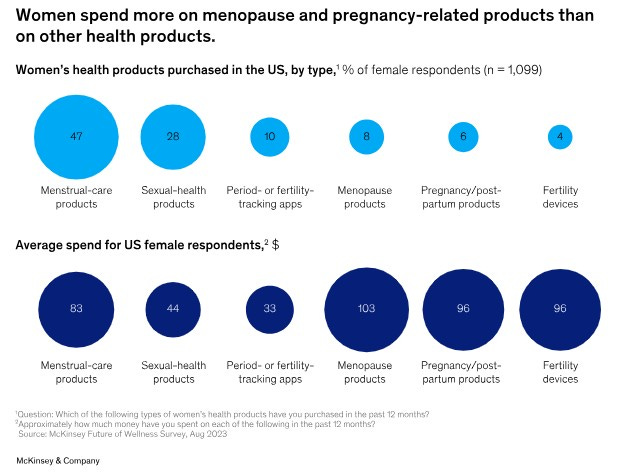
The most salient entry points for Big Wellness often strike during critical, high-stress points in women’s lifespans. Think fertility, pregnancy, post-partum, menopause, breast cancer, and more. Women spend heavily on pregnancy and menopause — with bio-hacking and weight loss (… ah, old trusty) right up there. These, of course, are peddled to us under the guise of “finding our power,” “super mama-ing,” “girl bossing,” and “mastering menopause.” All of these phrases are, conveniently, also splashed across tote bags coming to a book store near you!
When “Big Wellness” becomes “Big Misinformation”
Recent social media analyses from Maven Clinic and the BBC highlight a striking amount of non evidence-based (or downright incorrect) information about women’s health being proliferated on social media. Maven found that over half (57%) of the top videos on TikTok tagged with #ttc (“trying to conceive”) highlighted strategies without a scientific evidence base. Most of these videos were not made by healthcare professionals, as one might imagine. Similarly, the BBC tracked “hormone influencers,” specifically ones targeting PCOS (did you know 70% of women are estimated undiagnosed) to sell $3,600 diet and supplement “protocol” plans.
The bottom line? Big Wellness is ripe for profit-seeking hopefuls swooping in to take advantage of women during our most vulnerable life stages. We (unfortunately) haven’t even scratched the surface in this brief write up.
So, what’s a wellness-lover to do, to prioritize her health safely?
Our top 3 quick tips to use when deciding who to trust online
1) If it makes you feel small, scared, or guilty: run! Marketing headlines around “getting ready for summer,” “losing X weight in Y days,” “snapping back,” and the like… are ones that should swiftly invoke your *block* button.
2) If it seems too good to be true — it probably is. Credit for this one goes to the amazing Dr. Michelle Tollefson, who wrote the book on evidence-based women’s lifestyle medicine (literally). Real experts like Dr. Tollefson and many more will be the first to tell you that the consistent and “boring” wellness advice is what works — as frustrating as that might be! So if somebody is selling you a targeted workout (to get that waist snatched!) or telling you your weight gain comes from your cortisol imbalance that their “special tea” can solve… RUN (fast)! That cardio burst will be much better for you than anything they’re hawking, anyway.
3) Consider the source. Look at the credentials of anyone you’re taking advice from… and certainly anyone you’re buying something from. If it’s a product, are there clinical trials associated with it, or some research? Is that research independent? Have doctors / nurses / registered dietitians / scientists weighed in on efficacy? Is there some level of consensus — vs. fringe views and off-label claims? If you’re looking at a service, is it insurance-covered? If it’s self-pay, is it being delivered by somebody who went to medical school or received years of hands-on training in a clinical setting? If not, be very, very careful. Counseling delivered by non-professionals can have long-lasting negative effects, physically and mentally!
Let’s talk responsible wellness consumption
We’ll close on a slightly more positive note — and a call to action (of sorts).
In and of itself, striving for balance and evidence-backed wellness is one of the most powerful tools we have in our preventative healthcare toolkit. Proper lifestyle interventions have been linked with preventing up to 80% of disease — and should not be thrown out because there are bad actors on the market.
We invite our community to consume wellness responsibly — and to remember that, above all, wellness is meant to help us live longer and feel strong. If something makes you happy (and is proven “not hurtful” by an expert) — go for it! Anything else? Treat it like your 2016 juice cleanse — and forget it.
Until next time,
Your Coord Health Team